


REVIEW: The Gift (2015)
- By Josh Millican
With The Gift Australian filmmaker and actor Joel Edgerton has essentially launched a new subgenre: Emotional Horror. It won’t satisfy hardcore gore hounds or impatient movie goers, but those willing to commit are taken on an exploration of the Past’s influence on the Present—with shocking results. Like the ancient Chinese method of torture and execution, The Gift is a psychological “Death by 1,000 Cuts”: While no single wound is lethal, a multitude of smaller injuries leads to harrowing devastation—for the characters in the film and those in its audience.
 Official Synopsis: A young married couple’s lives are thrown into a harrowing tailspin when an acquaintance from the husband’s past brings mysterious gifts and a horrifying secret to light after more than 20 years.
The Gift is a difficult film—and a difficult film to review; simply scratching the surface creates a risk of spoilers, so forgive me if I tip-toe—because absolutely nothing is as it first appears. The two male leads (Jason Bateman as Simon and Joel Edgerton as Gordon) can’t be categorized into traditional Protagonist and Antagonist roles; each carries traits of a victim and a perpetrator. While analyzing these characters throughout the film, you’re likely to change your opinions several times. Edgerton toys with our initial perceptions good and evil, while simultaneously manipulating any preconceived notions the viewer might bring to the table.
At the risk of sounding like a PSA, The Gift is an indictment of bullying—a topic that seems especially timely. But while mainstream conversations about bullying seem contained to the lives of children and teens exclusively, Edgerton exposes what many still refuse to understand: Even if bullying ends in high school, the affects can last a lifetime. But this kind of oppressive domination doesn’t end at age 18, does it? While some bullies come to regret their past actions and make conscious efforts to change their behaviors, others evolve into something much more sinister. Mature bullies learn how to hide behind masks while practicing denial and deflection; the most loathsome monsters hide behind a smile and phony pretense of righteous compassion.
Every character in the film is a legitimate mystery, and those who relish conjecture will be pleased and challenged. Each is desperately (an ineffectually) attempting to kill their past, willing to see the world implode around them before owning personal misdeeds. People are rarely willing to discuss (or even acknowledge), insidious aspects of friendship, but Edgerton dissects them in all of their gory glory. The Gift will remind you of many inconvenient truths, like the fact that liars are incredibly convincing, deception is commonplace, and bad guys often win.
The most depressing aspect of The Gift is Edgerton’s examination of Truth itself. In a world where perception defines reality, the truth is often overlooked—and sometimes even considered irrelevant. All too often, lies shape our ideas of who people are, corrupting our understanding of the world that surrounds us. And not only on an individual level; societies at large can be significantly derailed by purposeful untruths (like when the US invaded Iraq over nonexistent weapons of mass destruction). Just because The Gift is an incredibly insular film doesn’t mean its assertions can’t be applied to a much wider context.
While some will disagree, I definitely consider The Gift a horror movie. Edgerton proves that a paper cut can sting worse than an amputation, and a bump in the night is way more ominous than a crash of thunder. What happens on screen is often ugly—but much less troubling than what we might have missed while the camera wasn’t looking. Suspense is omnipresent and the simmering tensions can be nauseating. It’s hardly an easy watch. The conclusion won’t leave you sated—anything but. Prepare to wrestle with your understanding of morality, community justice, and the very nature of victimization. You may hate everyone you meet in The Gift, but you’ll never forget these characters or their capacities for cruelty.
Most terrifying to consider: We all know people like these in real-life… some of us are people like these in real-life.
 We currently have advertising space available at very reasonable rates, so if you have a product you want to let people know about then please email us at [email protected] with your needs and we can give you more info.
Read on...
We currently have advertising space available at very reasonable rates, so if you have a product you want to let people know about then please email us at [email protected] with your needs and we can give you more info.
Read on... FINALLY, The Slaughtered Bird has launched its own OFFICIAL merchandise range!
In partnership with The Nerdy Gift Company, we will initially be launching limited edition t-shirts and mugs – but BE AWARE: the shirts will only be available for a short period, then it’s CLOSING TIME until another unique design is launched!
Read on...
FINALLY, The Slaughtered Bird has launched its own OFFICIAL merchandise range!
In partnership with The Nerdy Gift Company, we will initially be launching limited edition t-shirts and mugs – but BE AWARE: the shirts will only be available for a short period, then it’s CLOSING TIME until another unique design is launched!
Read on...


REVIEW: Mortal Kombat: Fates Beginning
 - By @LastBoneStands
Right from the start, I'm going to tell you, if you aren't a massive fan of Mortal Kombat, Mortal Kombat:
- By @LastBoneStands
Right from the start, I'm going to tell you, if you aren't a massive fan of Mortal Kombat, Mortal Kombat:
REVIEW: Frightmare (1983)
 - By @TheBlueTook
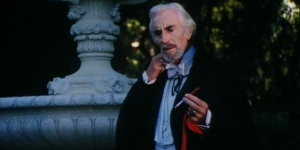
Conrad Radzoff (Ferdy Mayne) is a horror icon passed his peak, consigned to resurrecting his celebrated cinematic vampire role for a tasteless advertisement for dentures.
- By @TheBlueTook
Conrad Radzoff (Ferdy Mayne) is a horror icon passed his peak, consigned to resurrecting his celebrated cinematic vampire role for a tasteless advertisement for dentures.
REVIEW: Slimy Little Bastards
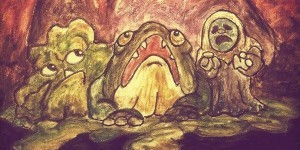 'SLIMY LITTLE BASTARDS' Review by- "Scratchy" Pete Ellott.
INTERVIEW: Craig Conway & Shaun Robert Smith
 - By @TheBlueTook
After recently reviewing festival circuit hit ESTRANGED, I was lucky enough to get chatting to one of its stars and producer, Craig Conway. As our conversation developed, a beautiful - some would even say spiritual - trinity was formed when his good friend, film director Shaun Robert Smith, decided he wanted in on the good shit.
- By @TheBlueTook
After recently reviewing festival circuit hit ESTRANGED, I was lucky enough to get chatting to one of its stars and producer, Craig Conway. As our conversation developed, a beautiful - some would even say spiritual - trinity was formed when his good friend, film director Shaun Robert Smith, decided he wanted in on the good shit.
SCREAMFEST 2015: Bait, Estranged and The Girl In The Photographs, and an interview with writer/director Nick Simon
 - By Bryan Stumpf
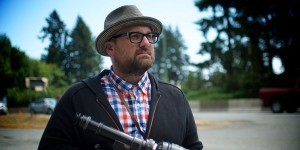
Though I’ve lived in Los Angeles for almost a year, and live within a block of the Hollywood Walk of Fame, attending this year’s Screamfest Horror Film Festival, I stepped inside the famous TCL (formerly Grauman's ) Chinese Theatre for the very first time. And what a fitting cinema palace for Screamfest, one of the largest and longest running horror film festivals in the world.
- By Bryan Stumpf
Though I’ve lived in Los Angeles for almost a year, and live within a block of the Hollywood Walk of Fame, attending this year’s Screamfest Horror Film Festival, I stepped inside the famous TCL (formerly Grauman's ) Chinese Theatre for the very first time. And what a fitting cinema palace for Screamfest, one of the largest and longest running horror film festivals in the world.
Indie horror The Unkindness Of Ravens gets chilling new trailer!
 The Unkindness Of Ravens is the second feature from Scottish director Lawrie Brewster and Irish screenwriter Sarah Daly. An intense and ambitious indie horror, the film tells the story of Andrew, a homeless veteran suffering from PTSD.
Bastard Son
 There is something very wrong with Ethan Welles.
As a child, Ethan would wake every night to the sound of his own screams.
There is something very wrong with Ethan Welles.
As a child, Ethan would wake every night to the sound of his own screams.
Leave a Reply